
YEAR
ONE
WANTED
FOR UNACCOUNTED AI
The Shadow Deployer
- CHARGED WITH
- Slipping AI into recovery work with no inventory, no policy and no one accountable.
- LAST SEEN
- On overloaded staff screens, as client details get pasted into free chatbots.
AI has already ridden into recovery and behavioral health. The organizations that serve and employ people in recovery are governing it alone, and the people whose stories are at stake have no say in the rules. Hope Town and its partners propose a standard written and ratified by those people, and running in real organizations.
Everyone is publishing governance. Almost no one is doing it.
Established frameworks offer safeguards, but none give the affected people authority. Rules are written far from town and handed down from on high.
Federal law (42 CFR Part 2 and HIPAA) and Ohio rules guard recovery records. The organizations that serve and employ people in recovery are on their own when it comes to AI.
The people most affected by AI in this field have the least say over it. Four practices are running loose, and each one shows up in the work today.
Every outlaw on this board is a practice, not a person. People in recovery are not the problem here. In this proposal they wear the badge and hold the authority.
This isn't a fight against AI. Used well, AI can level playing fields and widen what is possible for people in recovery. The frontier is worth settling. It needs law that the people who live there wrote.
Recovery, behavioral health, statewide funding, community voice and policy, under one coalition. Each brings a network the standard can travel on.
Here, the community hands out the badges. The sheriffs don't write the law. A paid Lived Experience Governance Council, with a majority of people with lived experience and frontline workers, holds ratification authority: nothing in the standard publishes without its vote. The sheriffs make sure the law holds.
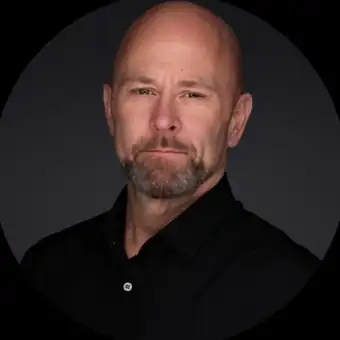
Built Hope Town from a peer-run recovery house into a recovery ecosystem, including Ohio's first community-based AI Academy.

A national leader in culturally responsive recovery. She recruits and builds the representative council, from charter and membership through facilitation.
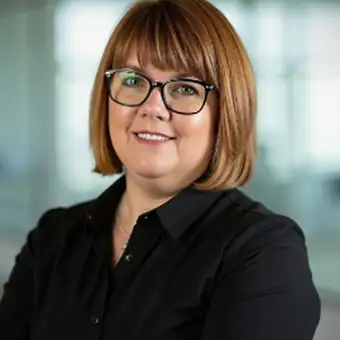
Brings the provider perspective, plus the Ohio Council's route to the organizations that will adopt the standard first.
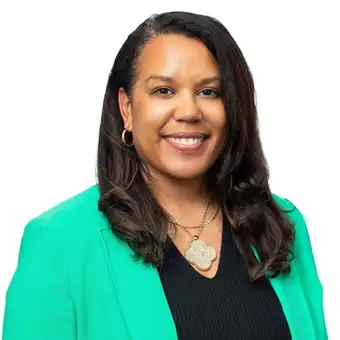
Connects state systems and statewide grantmaking to local priorities in prevention, treatment and recovery.
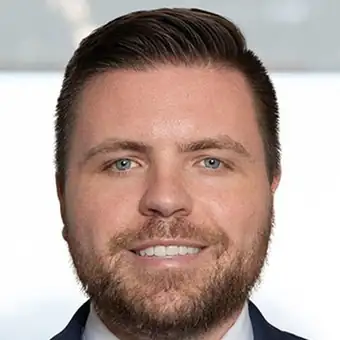
Helps design the participation agreements and workforce safeguards that carry the standard from recovery organizations into the wider workplace.
Over two years, Hope Town and its partners will establish a worker-and-community-led AI governance standard. It's built for recovery and behavioral health, and it works for any organization. The outcome is a behavioral health governance and training system, community controlled and applicable across the field.
The council holds ratification authority: nothing in the standard publishes without its vote. Its majority is people with lived experience and frontline workers, alongside policy and AI experts. Nyla Christian recruits and builds it. Wages are a prominent part of the budget, so a seat never depends on who can afford to volunteer.
People in recovery from these communities hold seats and decide how their communities are represented:
The council ratifies these principles, decides what AI must never touch, and can require a participating organization to pause a deployment.
The council sets up the instruments of the standard. Hope Town builds Recoveripedia, a Wikipedia-like contribution platform that moves at the speed of AI. Organizations post problems and ideas, and communities debate, upvote, fine-tune and adopt them, so an idea surfaced in one community becomes available to all.
Hope Town is AI-forward and peer-led. It runs its own AI on open-weight models and hardware it owns, found and closed its own governance gaps, educates other organizations on AI governance, and convened over 50 leaders in behavioral health, workforce and recovery at the September 2026 Hope Town Hall. Hope Town is surveying those attendees to inform the seated council.
We measure power and practice, not attendance: whether the rules changed what organizations actually do, and who benefits when AI saves time.
| Rules adoptedOrganizations adopting the standard and the community-proposed rules taken up on the platform.
10 IN YEAR 120 BY YEAR 2 | |
| Deployments changedAI uses that were revised, restricted or retired because the standard required it. | |
| Complaints resolvedConcerns raised by people served and by workers, and how they were answered. | |
| Training completedLeaders and direct staff trained through the governance sandbox. | |
| Time savings reinvestedWhen AI saves time, how much goes back into the services people receive. |
The Ohio Council reaches more than 170 provider organizations and the OneOhio Recovery Foundation works statewide. The standard rides on networks that existed before this grant and will outlast it.
Recoveripedia keeps the standard current through the people who use it, so it keeps pace with AI without a vendor or a rewrite cycle.
The twenty organizations are chosen because they can train the next generation, so every adopter multiplies the standard's reach after the grant.
Hope Town governs its own AI under the standard and brings it to other organizations through its AI Academy and training work.
Council wages are budgeted, so the people with the most at stake can keep showing up.
Our investment priorities, in order.
The standard is built for recovery and works for any organization, so it can grow well past the first cohort. Each stage of the route rides on networks our leaders already belong to.
Hope Town governs its own AI under the standard and convenes the field.
Ohio is the proving ground: ten organizations adopt the standard through the Ohio Council.
The cohort grows to twenty organizations equipped to train the next generation.
Employers outside of recovery adopt it. About one in eleven U.S. workers has a substance use disorder.
Grantors of opioid settlement funds like the OneOhio Recovery Foundation become ready distribution channels to thousands of organizational applicants, alongside national recovery networks.
The frontier isn't closing. It's getting a law worth living by, written by the people who live there.
Hope Town is a peer-led recovery organization in Windham, Ohio. This page supplements its application to the Humanity AI open call, Communities Leading on AI.
Visit Hope Town →